
Navigation
Webber Point
History
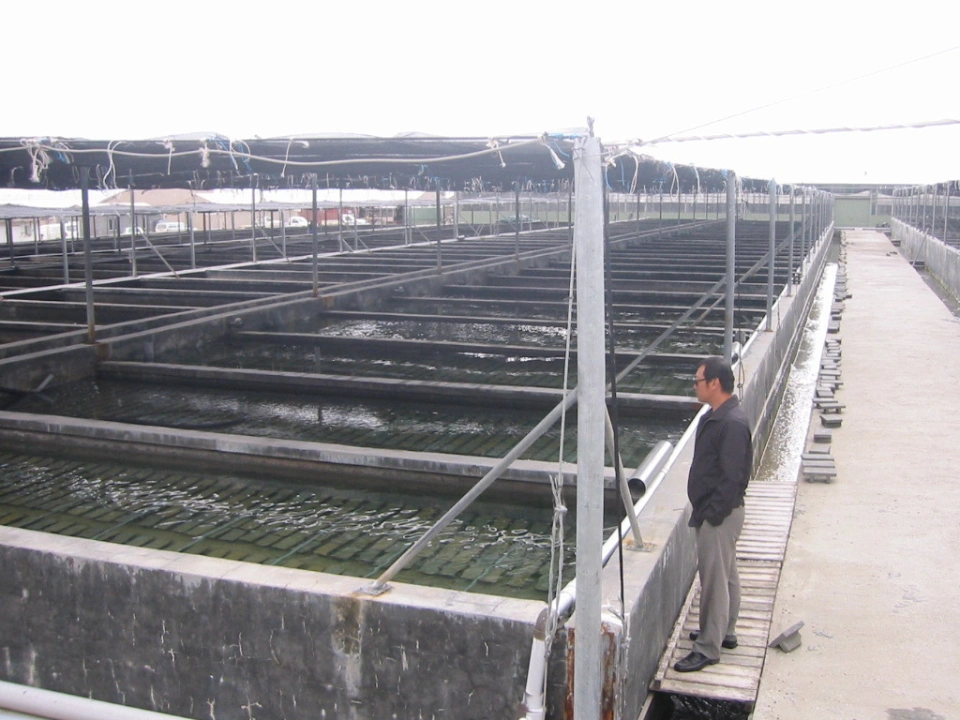
In the 1980, a Chinese abalone farm was established at Webber Point, south of Swansea on the East Coast of Tasmania. After operations ceased, the facility fell into disrepair until recently acquired by aquaculture startup Sea Forest. Sea Forest has taken over the site and is renovating it for use in growing a locally endemic seaweed (Asparagopsis) which produces a chemical that can be added to cattle feed to significantly reduce the amount of methane that the cattle belch out as they digest food. This has significant implications for reducing global warming as methane has a high global warming impact.
Project
Sea Forest has taken over the site and is renovating it for use in growing a locally endemic seaweed (Asparagopsis) which produces a chemical that can be added to cattle feed to significantly reduce the amount of methane that the cattle belch out as they digest food. This has significant implications for reducing global warming as methane has a high global warming impact.
Rather than the typical fixed seaweed that we are used to seeing in the ocean, the process focusses on the tetrasporophyte stage of the seaweed, which is normally how seaweed spreads through an area. The seaweed can reproduce in this state and grows very quickly given the right conditions. Sea Forest had already commenced preparatory works, and commissioned a master plan for the site.
Our Involvement
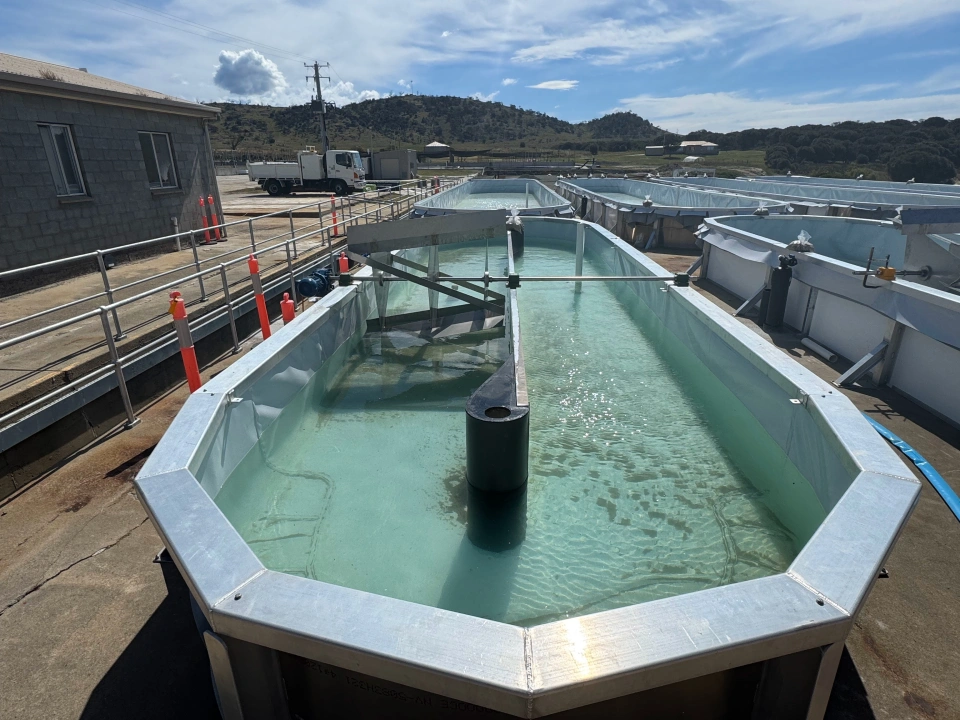
Collective Consulting was approached to assist in the development of the old abalone farm into a modern HRAP (High-Rate Algal Pond) based facility for growing the seaweed. We were required to assess the existing condition of the site, make judgements on its usability for the proposed HRAP tanks and prepare documentation for council approvals.
As a result of our investigations – including our own onsite inspections and geotechnical investigations by Rare Earth Tasmania – we proceeded with construction of the smaller tanks on top of the existing concrete slabs, with the larger tanks to be built utilising the substructure from the abalone farm, but removing the damaged slabs and wall structures from that area of the site.
We took into consideration the startup nature of their works. A startup has very different requirements for its capital investment than a more established operation, as their focus is on early demonstration of results, with efficient allocation of capital, rather than the highest of efficiency or the longest of service lives.
The result
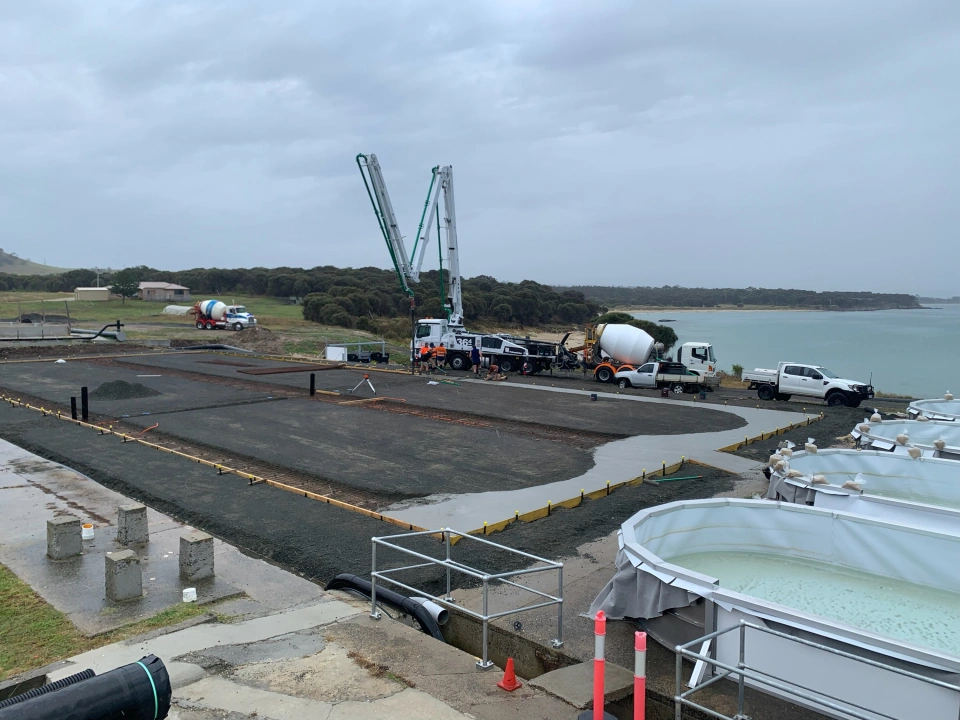
While works on the Phase 1 are still ongoing, the four 10m tanks and four 20m tanks have been installed successfully. Foundations are being laid for the two 47m tanks that will form the bulk production facility for this stage of the works. The fabrication for the structure is being undertaken at Lyndcraft in St Helens, who are adapting their skill in aluminium fabrication honed building boats to something designed to keep water in rather than out. Phase 1 of the works should be completed early next year.